Natural Look vs Wet Look Concrete Sealers
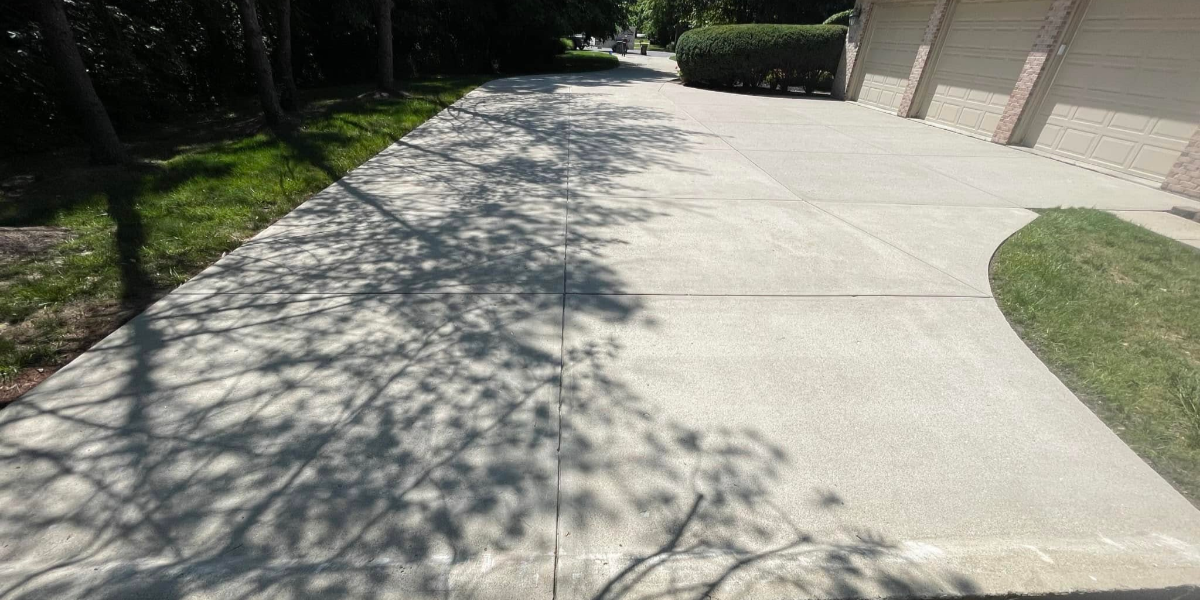
When homeowners decide to protect their driveway, patio, or sidewalk, one of the first questions they ask is what type of concrete sealer will provide the best protection without unnecessarily changing the appearance of the surface. For raw broom-finished concrete, penetrating sealers are an excellent option because they protect from within rather than creating a glossy coating on top. Choosing the right concrete sealer involves more than appearance. Durability, moisture protection, maintenance, and the type of concrete all play important roles.
At White's Painting & Power Washing, we help homeowners throughout Carmel, Fishers, Noblesville, Westfield, Greenwood, McCordsville, and the Indianapolis area protect their raw broom-finished concrete. As a family-owned company with more than 30 years of experience, we evaluate the condition of the concrete and recommend professional penetrating sealers designed to provide long-term protection while maintaining its natural appearance. For residential driveways, sidewalks, and broom-finished patios, penetrating sealers offer an excellent balance of protection and low maintenance.
In this guide, we'll explain how penetrating concrete sealers work, why they're well suited to raw broom-finished concrete, and what homeowners should know before having their driveway, patio, or sidewalks professionally cleaned and sealed.
What is a penetrating concrete sealer?
Unlike topical coatings that remain on the surface, penetrating concrete sealers soak into the concrete through its microscopic pores. Once inside, they create a water-repellent barrier that helps reduce moisture absorption while allowing the concrete to breathe naturally.
Professional penetrating sealers help protect against:
-
- Water intrusion
- Freeze-thaw damage
- Road salt penetration
- Long-term weathering
Because the protection is below the surface rather than sitting on top of the concrete, penetrating sealers maintain the concrete's natural appearance while eliminating concerns about a topical coating peeling or flaking over time.
What type of concrete does White's seal?
White's specializes specifically in cleaning and sealing raw broom-finished concrete. This is the traditional textured concrete commonly used for residential driveways, sidewalks, walkways, and many patios throughout the Indianapolis area.
Our concrete sealing services are commonly used on:
-
- Concrete driveways
- Broom-finished patios
- Concrete sidewalks
- Concrete walkways
We do not work on stamped or decorative concrete and do not apply glossy or wet-look decorative sealers. Our service is focused on cleaning and protecting raw broom-finished concrete with penetrating sealers designed to preserve its natural appearance.
Natural appearance without a glossy finish
One of the biggest advantages of penetrating sealers is how little they change the finished appearance of properly prepared concrete. Instead of creating a visible coating across the surface, the sealer penetrates into the concrete and provides protection from within.
Penetrating sealers typically provide:
-
- Little or no visible color change
- A natural matte appearance
- No surface film
- Long-term moisture protection
This makes them especially well suited for:
-
- Raw broom-finished concrete
- Residential driveways
- Sidewalks and walkways
- Broom-finished concrete patios
The goal isn't to make your concrete shiny or dramatically alter its appearance. It's to help protect the concrete while maintaining the clean, natural appearance and texture of the original surface.
Slip resistance is an important consideration
Many homeowners worry that sealing concrete will make it slippery. This concern is often associated with topical coatings that create a film over the surface. Penetrating sealers work differently because they soak into the concrete without leaving a glossy surface coating.
The existing traction of broom-finished concrete comes from:
-
- The textured broom finish
- The natural profile of the concrete
- The absence of a glossy surface film
- The exposed texture at the surface
For residential driveways, sidewalks, patios, and walkways, penetrating sealers are a practical choice because they provide protection while preserving the natural surface texture of broom-finished concrete.
How long does penetrating concrete sealer last?
Longevity depends on traffic levels, weather exposure, product quality, and maintenance. Because penetrating sealers work below the surface, they aren't exposed to the same abrasion as coatings that sit directly on top of the concrete.
Professional evaluations consider:
-
- Vehicle traffic
- Sun exposure
- Winter salt usage
- Overall condition of the concrete
White's recommends professional penetrating sealers for appropriate residential driveways, sidewalks, and broom-finished patios because they provide durable protection with minimal change to the appearance of the concrete.
Preparation is essential before sealing concrete
Even the highest-quality concrete sealer cannot perform properly if it's applied over dirt, algae, mildew, oil stains, or other contaminants. Thorough preparation allows the penetrating sealer to properly enter the pores of the concrete while creating a more consistent final appearance.
Professional preparation typically includes:
-
- Pressure washing the surface
- Removing algae and mildew
- Treating surface stains where appropriate
- Allowing the concrete to dry completely
White's provides complete concrete cleaning and sealing, ensuring every surface is properly prepared before the sealer is applied.
Coordinate concrete sealing with other exterior maintenance
Concrete sealing is often completed alongside other exterior improvement projects. Once the driveway and walkways have been refreshed, many homeowners choose to update other highly visible areas of the property.
Related services frequently include:
-
- House washing
- Exterior house painting
- Vinyl siding painting
- Deck and fence restoration
Combining several exterior maintenance services often creates a more complete improvement in curb appeal while protecting multiple surfaces at the same time.
How much does professional concrete sealing cost?
The cost of sealing concrete depends on the size of the area, current condition, preparation requirements, accessibility, and the amount of sealer required. Larger driveways or concrete surfaces requiring more extensive cleaning and preparation will naturally involve a different investment than smaller sidewalks or patios.
Project costs are influenced by:
-
- Total square footage
- Cleaning requirements
- Surface condition
- Amount of sealer required
Homeowners can learn more by reviewing our Pressure Washing & Concrete Sealing Pricing Guide. If your exterior maintenance plans also include repainting your home, our Exterior House Painting Pricing Guide provides additional budgeting information.
Proudly serving Indianapolis area homeowners
-
- Avon
- Brownsburg
- Carmel
- Cicero
- Fishers
- Fortville
- Geist
- Greenfield
- Greenwood
- Indianapolis
- Lawrence
- McCordsville
- New Palestine
- Noblesville
- Westfield
- Zionsville
In addition to concrete cleaning and sealing, our team provides exterior painting, house washing, vinyl siding painting, interior painting, deck and fence restoration, commercial painting, and specialty coatings designed to protect homes throughout the Indianapolis metropolitan area.
Protect your broom-finished concrete
Request your free concrete evaluation today.
If you have a raw broom-finished concrete driveway, patio, sidewalk, or walkway, choosing the right penetrating sealer starts with evaluating the condition of the concrete and properly preparing the surface. A professional assessment ensures the concrete is suitable for sealing and that the right process is used to provide long-lasting protection while maintaining its natural appearance.
Contact White's Painting & Power Washing today to schedule your concrete sealing consultation and receive a detailed written estimate.